


The Future Is Shaped Not in the Classroom, but in Industry

What experience did SIUT students gain during their summer industrial training?
The principal aim of the reforms currently being implemented in Uzbekistan’s higher education system is to train specialists who meet the demands of the labour market and possess not only theoretical knowledge but also the practical skills required to work in modern industrial environments.
With this objective in mind, on 20 June 2024, a videoconference chaired by President of the Republic of Uzbekistan Shavkat Mirziyoyev was held to discuss the training of engineering professionals. During the meeting, key tasks were set to strengthen cooperation between higher education and industry, expand students’ involvement in practical training and develop the dual education system. These initiatives entered a new phase with the adoption of Cabinet of Ministers Resolution No. 14 of 16 January 2025, “On Measures to Organise Dual Education in the Higher Education System”.
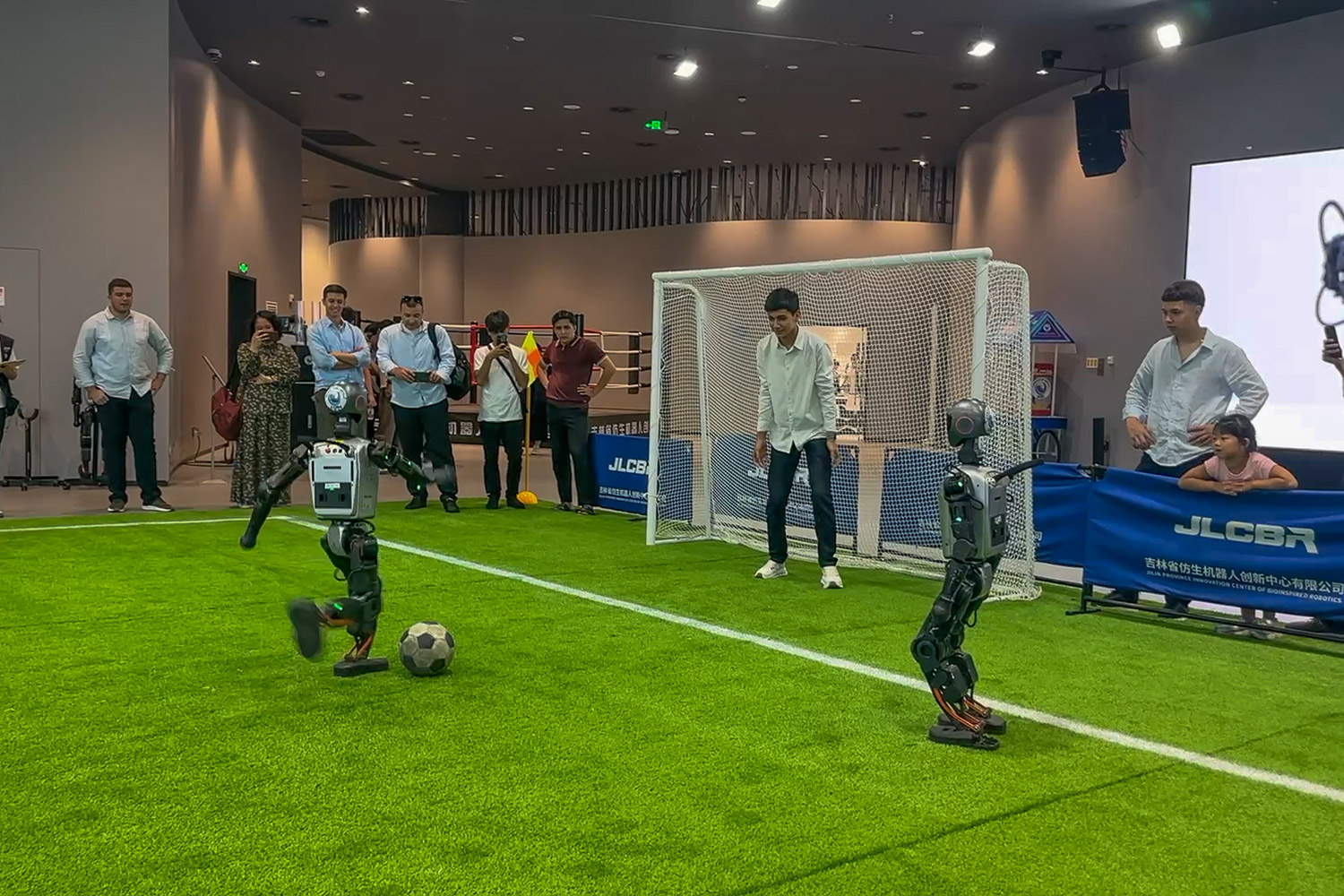
Today, the practical results of these reforms are clearly reflected in the work of higher education institutions.
Samarkand International University of Technology (SIUT) is one of the first higher education institutions to have put this approach into practice. From the earliest days of the university’s establishment, the principles of dual education have been consistently integrated into the learning process. As a result, students have the opportunity, from their first year of study, to undertake practical training in their chosen fields at major industrial enterprises, international companies, research laboratories, banks, hotels and manufacturing organisations.
For SIUT, industrial training is neither simply another subject in the curriculum nor a formal compulsory stage of education.
It is an integral part of a continuous education system that introduces students to their future profession from the outset, enables them to apply classroom knowledge in real industrial settings and prepares them for the labour market.
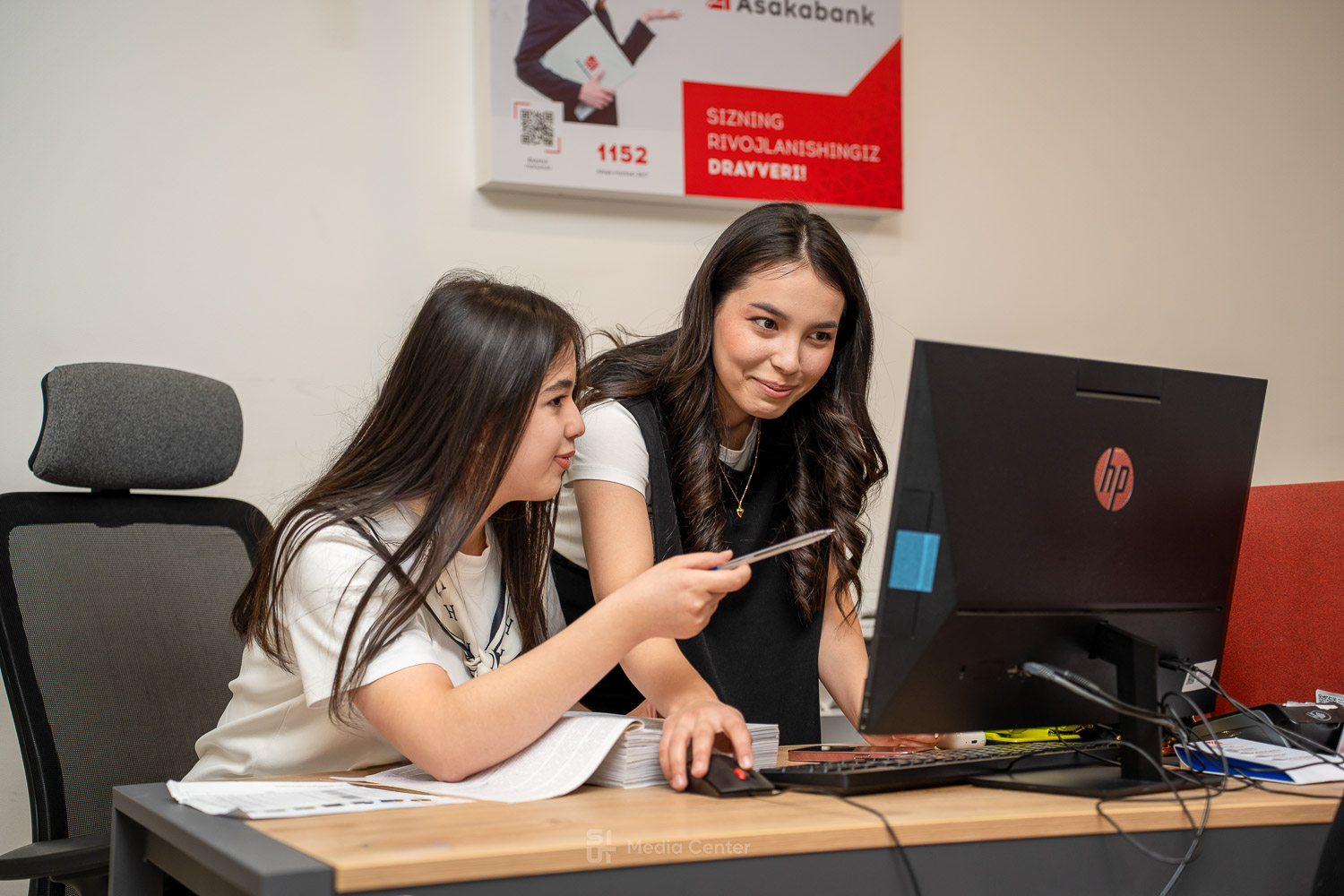
That is why, this summer, students from all faculties of the university completed industrial training in their respective fields at leading enterprises and organisations in Uzbekistan and abroad.
During their placements, the students did far more than reinforce their theoretical knowledge. They gained experience of working in real industrial environments, managing technological processes, collaborating as part of a team, operating modern equipment, understanding professional responsibility and developing the practical competencies expected by employers.
Engineering students studied the operating principles of complex technological systems at modern industrial enterprises and laboratories. They also acquired practical skills in working with technical documentation, complying with industrial safety requirements and operating advanced equipment.
Students in energy and oil and gas programmes visited power plants, drilling sites and production facilities, enriching their theoretical knowledge with practical experience. Students of economics, logistics and business, meanwhile, gained first-hand insight into electronic document management, financial analysis, customer relations and management processes in banks, companies and business organisations.
Tourism students studied modern service standards in international hotels, while students from the School of Computing and design programmes worked on real projects. They communicated with clients, planned tasks, collaborated in teams and participated directly in delivering finished products within established deadlines.
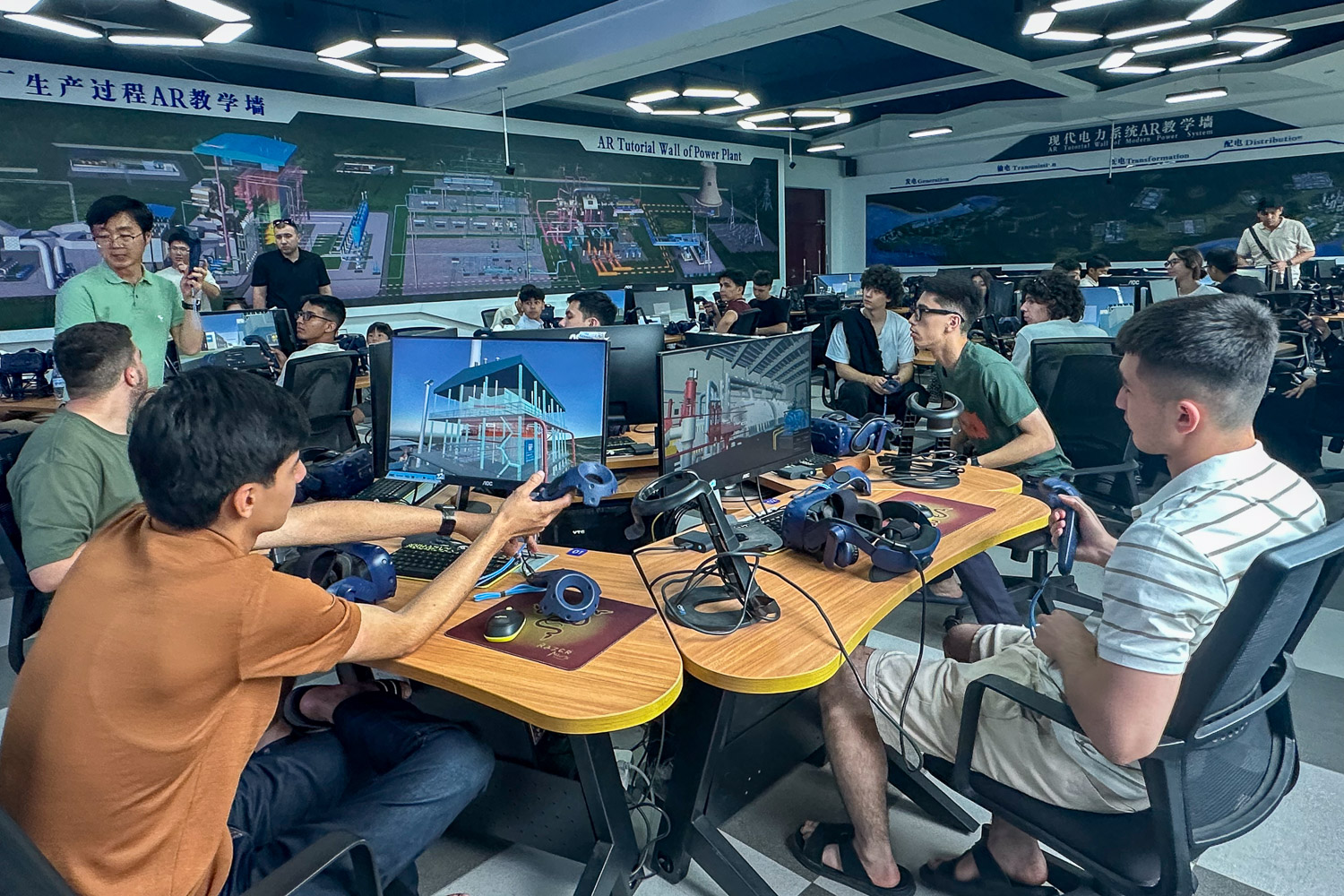
The wide geographical reach of the summer training clearly demonstrated the scale of the university’s international cooperation and integration with industry.
In particular, students from the Chinese Institute of Energy participated in a three-week international summer education programme at Northeast Electric Power University in China. They studied modern energy technologies, nuclear energy, hydropower and renewable energy sources, while also taking part in practical sessions in innovative laboratories.
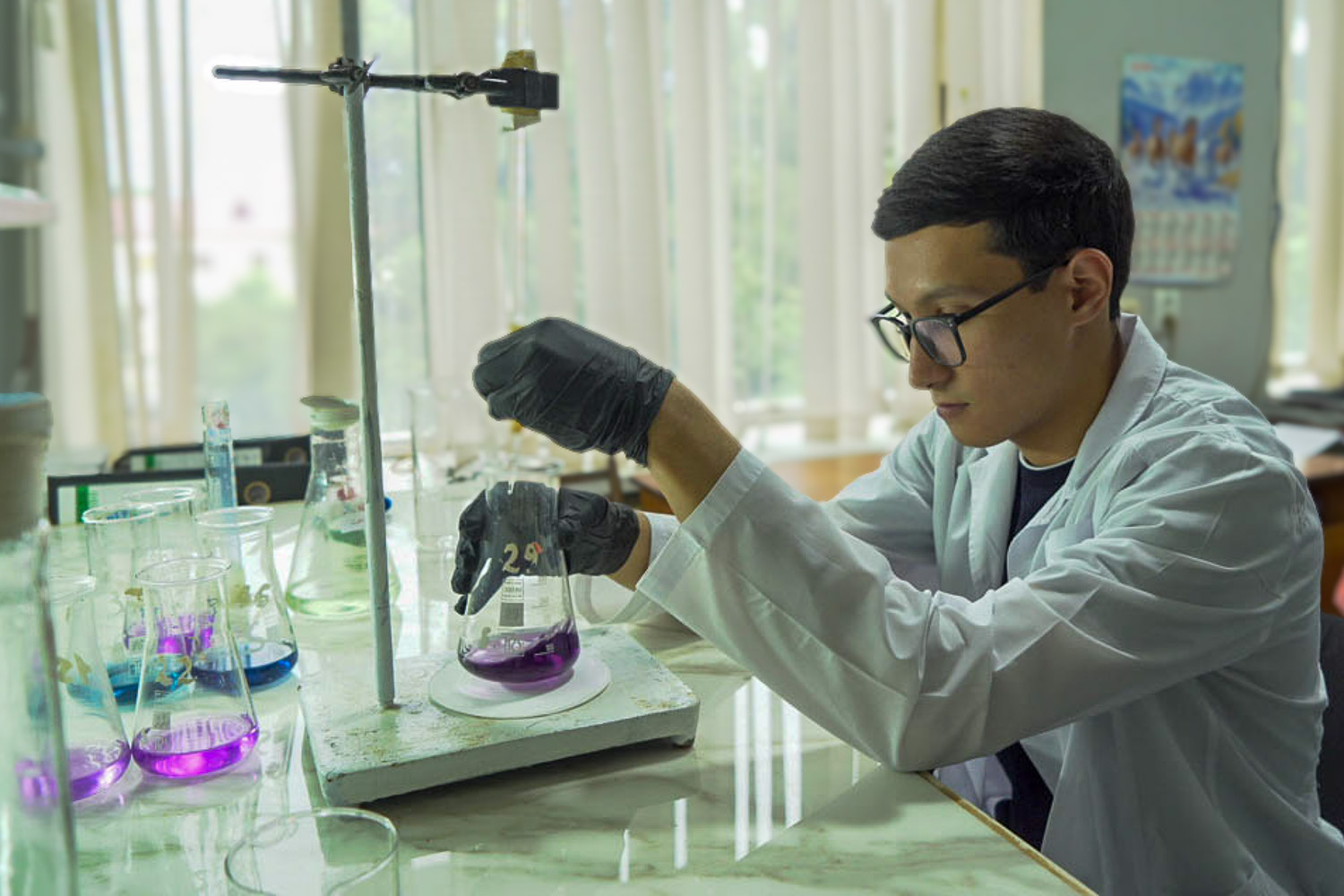
Third-year chemical engineering students completed industrial training in modern laboratories as part of the cooperation between Samarkand International University of Technology and the Analytical Laboratories Complex of JSC “Uzbek Geological Exploration”. They gained unique experience in chemical, mineralogical and instrumental analysis laboratories operating in accordance with international standards.
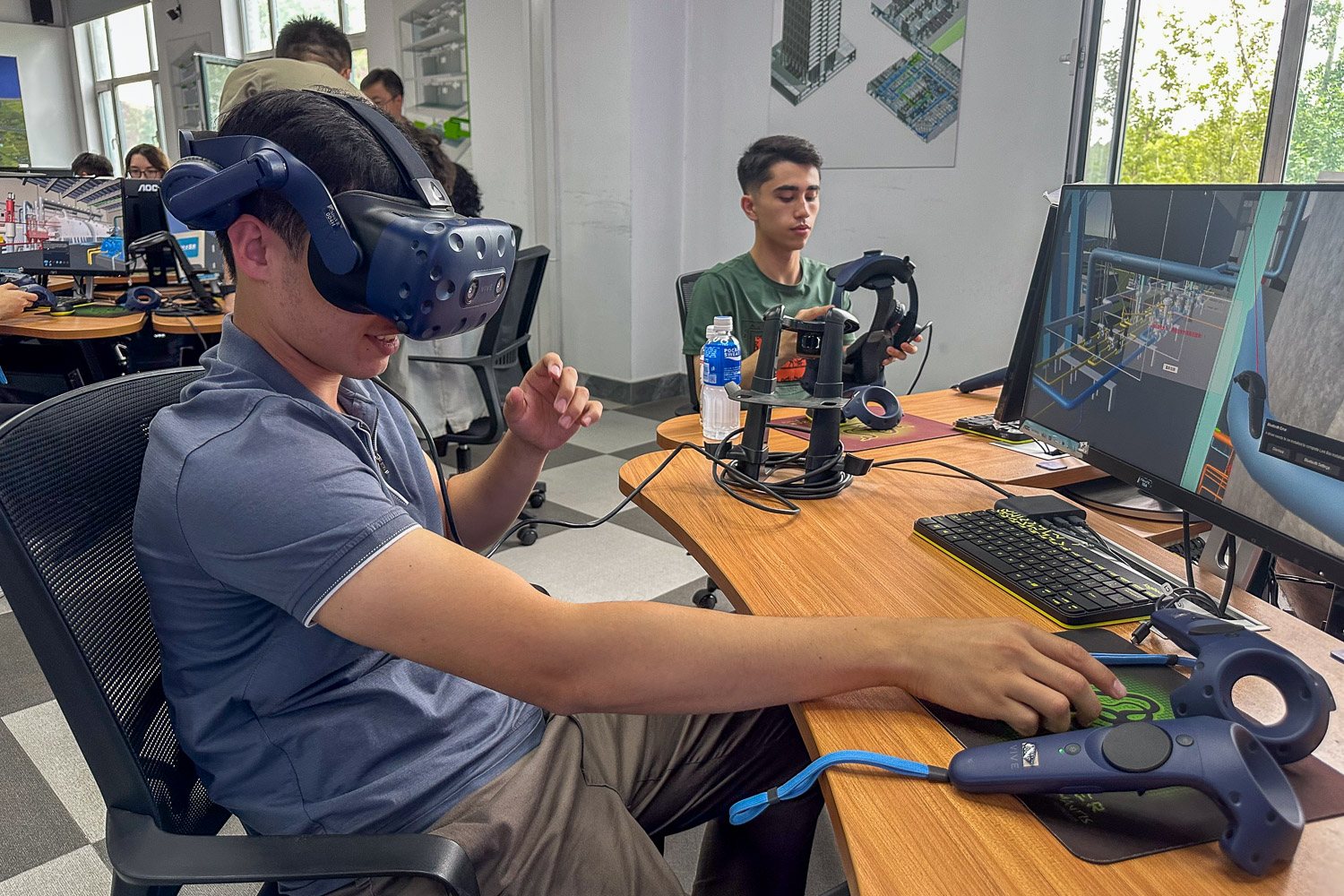
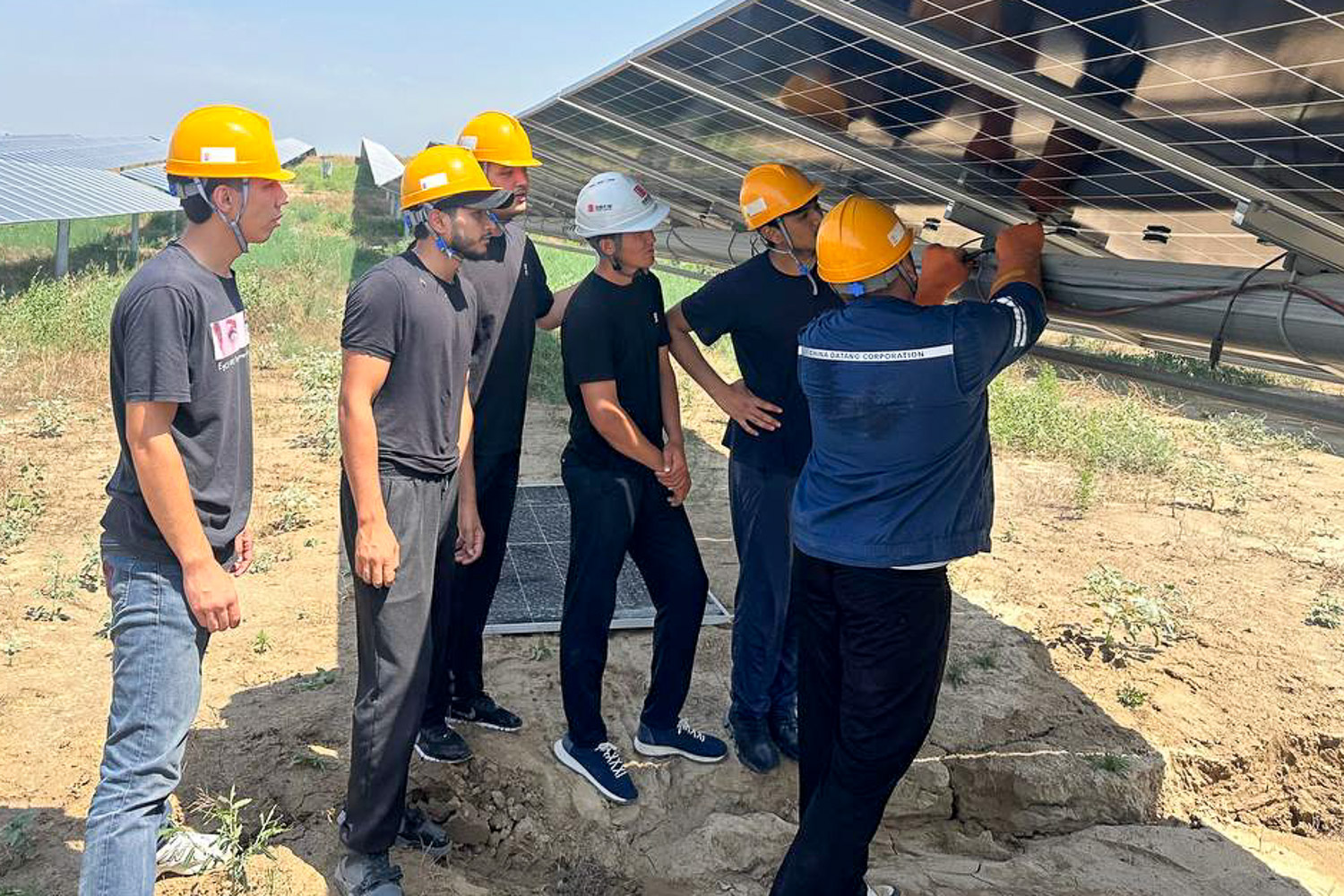
In addition, students completed practical training at ERIELL, SANEG, China Datang’s Buka Solar Photovoltaic Power Plant, Silk Road Samarkand, Kapitalbank, Asaka Bank, Coca-Cola İçecek, Uzbekistan Railways, Samarkand International Airport, the Chamber of Commerce and Industry, Azia Metall Prof, Stekloplastik, Spektr Printing House, Kanspoligrafiya and many other leading enterprises and organisations. By participating directly in production processes, they explored every stage of their future professions.
The most important outcome of this practical training, however, was the fundamental change in the students’ understanding of their chosen professions.
They began to understand their future careers not only through books but also through real industrial experience. Some students earned international certificates, while others received offers of permanent employment. Most importantly, every student gained invaluable experience for their future professional career.
Today, this is one of the key qualities that distinguishes an SIUT graduate from other young specialists: alongside a diploma, they also graduate with real industrial experience.
This is the practical result of the university’s strategy based on the integration of “education — science — industry”.
The engineer, energy specialist, chemist, economist or entrepreneur of the future is shaped not in the classroom but in the production process itself.
At Samarkand International University of Technology, this principle is not merely an idea. It has become an integral part of every student’s daily educational experience.
At SIUT, practical training is not undertaken merely to obtain a diploma; it is a means of building the future.


