


Summary of SIUT Students’ Participation in the NEEPU Summer Camp (China)

The adaptation phase for first-year students of the “Electric Power Engineering” program from the Chinese Institute of Electric Power (CIEP), a structural division of the Samarkand International University of Technology (SIUT), has successfully concluded. Students participated in a summer educational program at the Northeast Electric Power University (NEEPU) in China from July 14 to July 25. This intensive camp was a crucial step in their professional and cultural development.
The program, organized in collaboration with NEEPU was designed not merely as an introductory trip but as a deep immersion into the academic and industrial environment that awaits the students. The main goal was to not only strengthen their language skills but also to foster a practical understanding of China’s energy sector and broaden their intercultural communication.
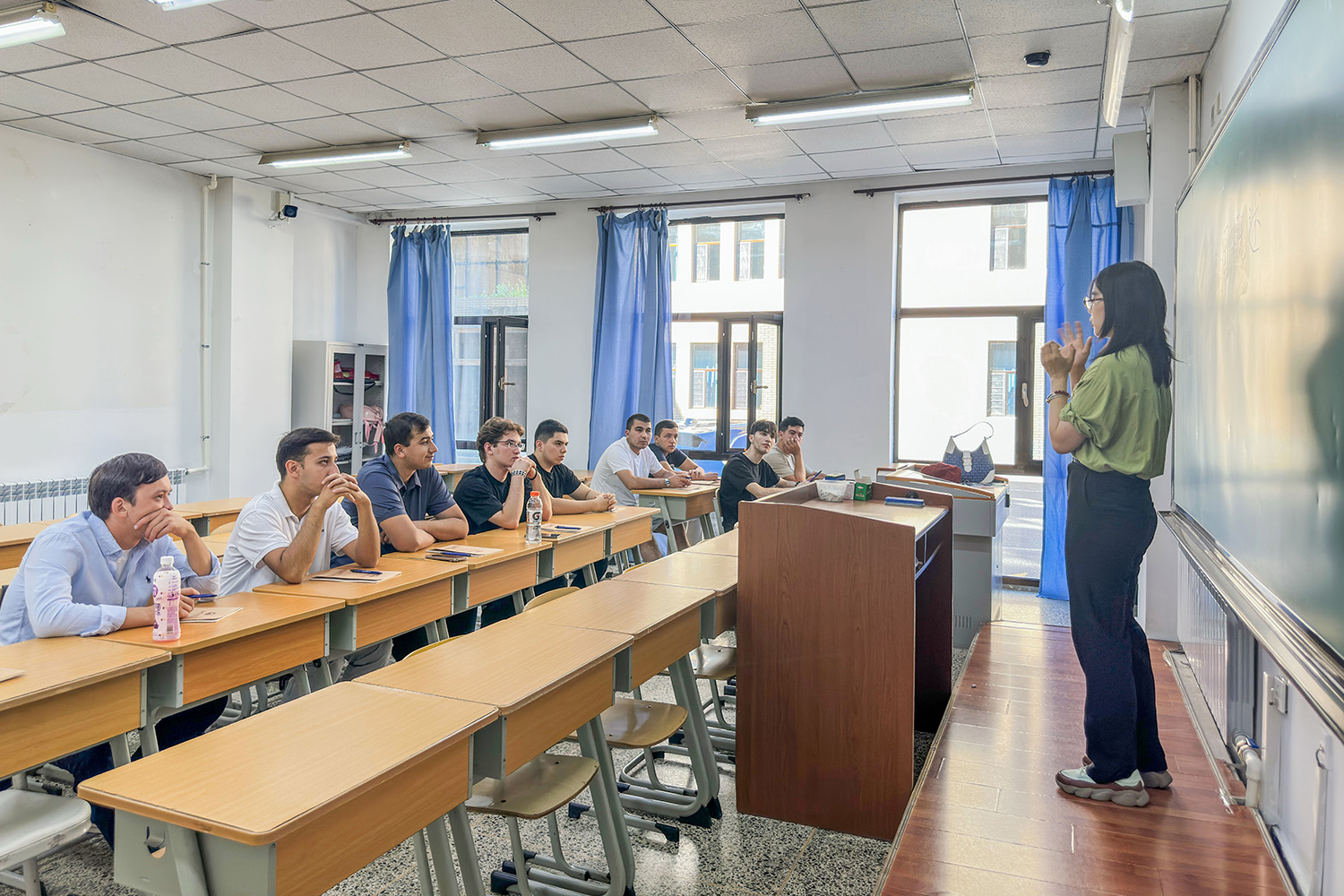
The Summer Camp curriculum included courses focused on learning the Chinese language, as well as familiarizing students with China’s unique philosophy, culture, and geography — all of which are essential for successful adaptation. Special attention was given to specialized sessions covering:
- The fundamentals of China’s energy sector;
- The operating principles of modern power equipment;
- “Green” technologies and emission control systems from the SPIC (State Power Investment Corporation).

For reference: State Power Investment Corporation Limited (SPIC) is a Chinese energy corporation, one of the five largest electric power companies in the country and one of the largest in the world. It was formed in May 2015 from the merger of assets of China Power Investment Corporation and State Nuclear Power Technology Corporation, with its headquarters in Beijing.
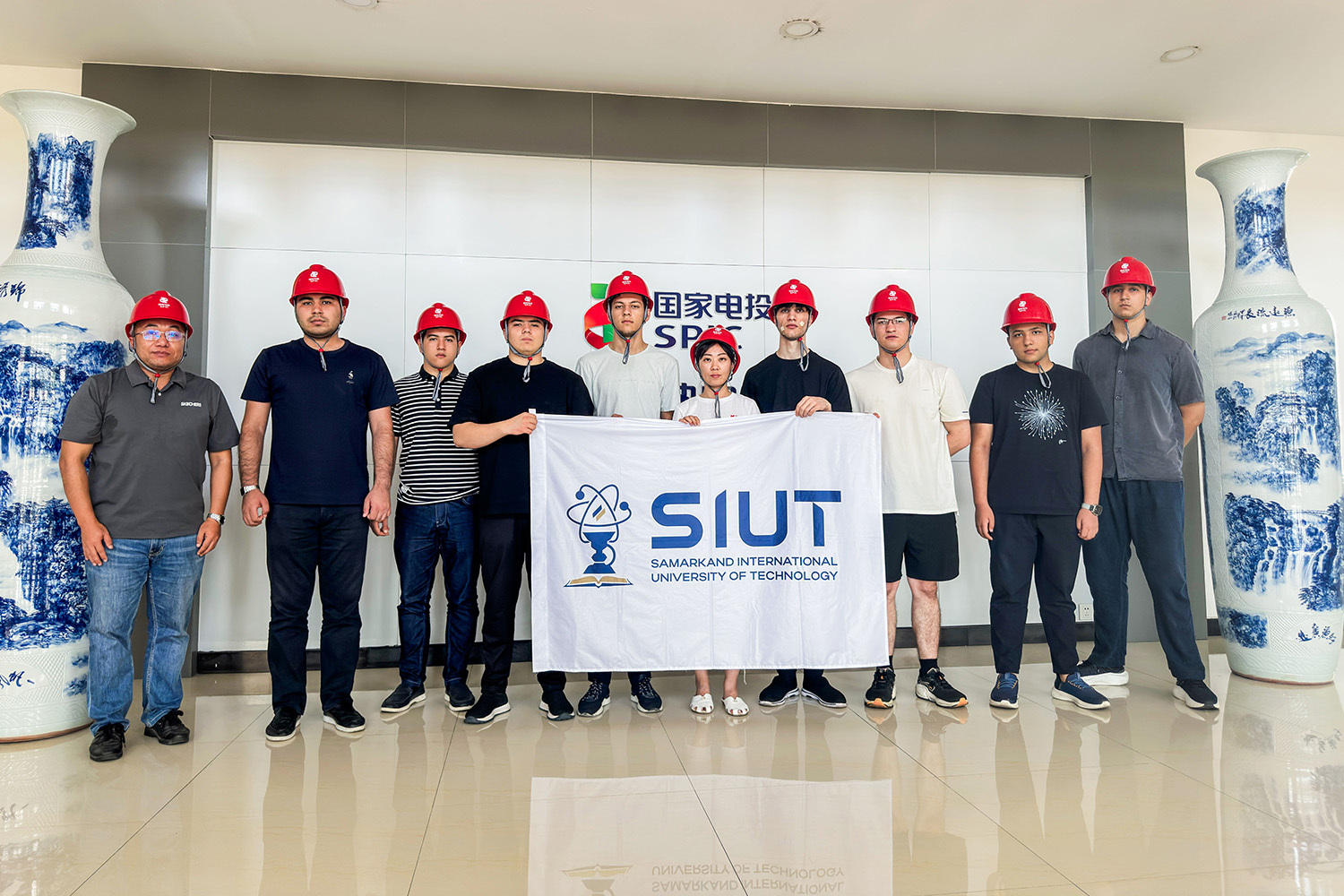
The total installed capacity of SPIC's power plants exceeds 126 gigawatts, including 72.4 GW from thermal power, 22 GW from hydropower, 13.7 GW from wind power, 11.6 GW from solar power, and 4.5 GW from nuclear power (with over 45% of its capacity coming from "clean energy"). SPIC supplies 422.6 terawatts of electricity to consumers annually.
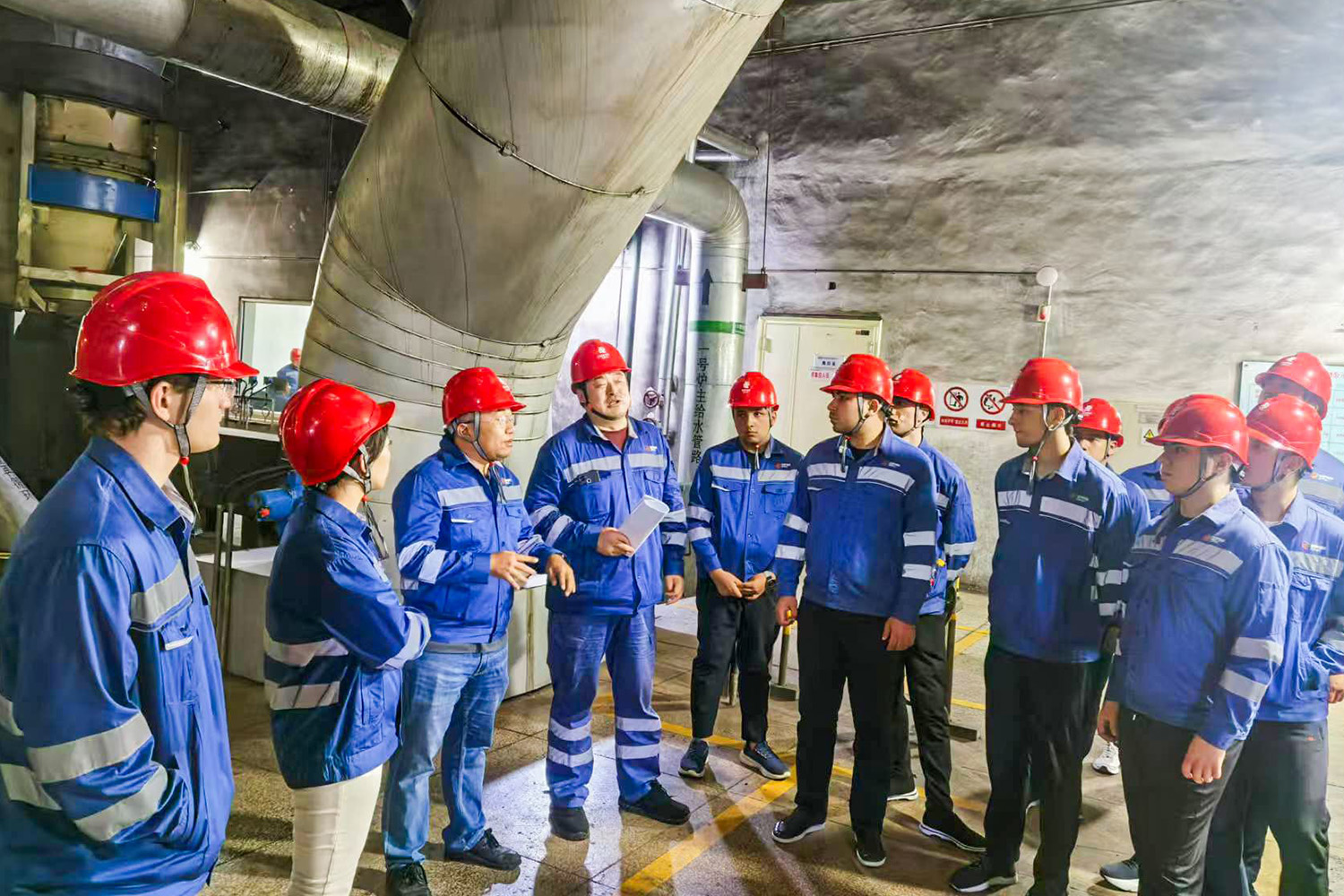
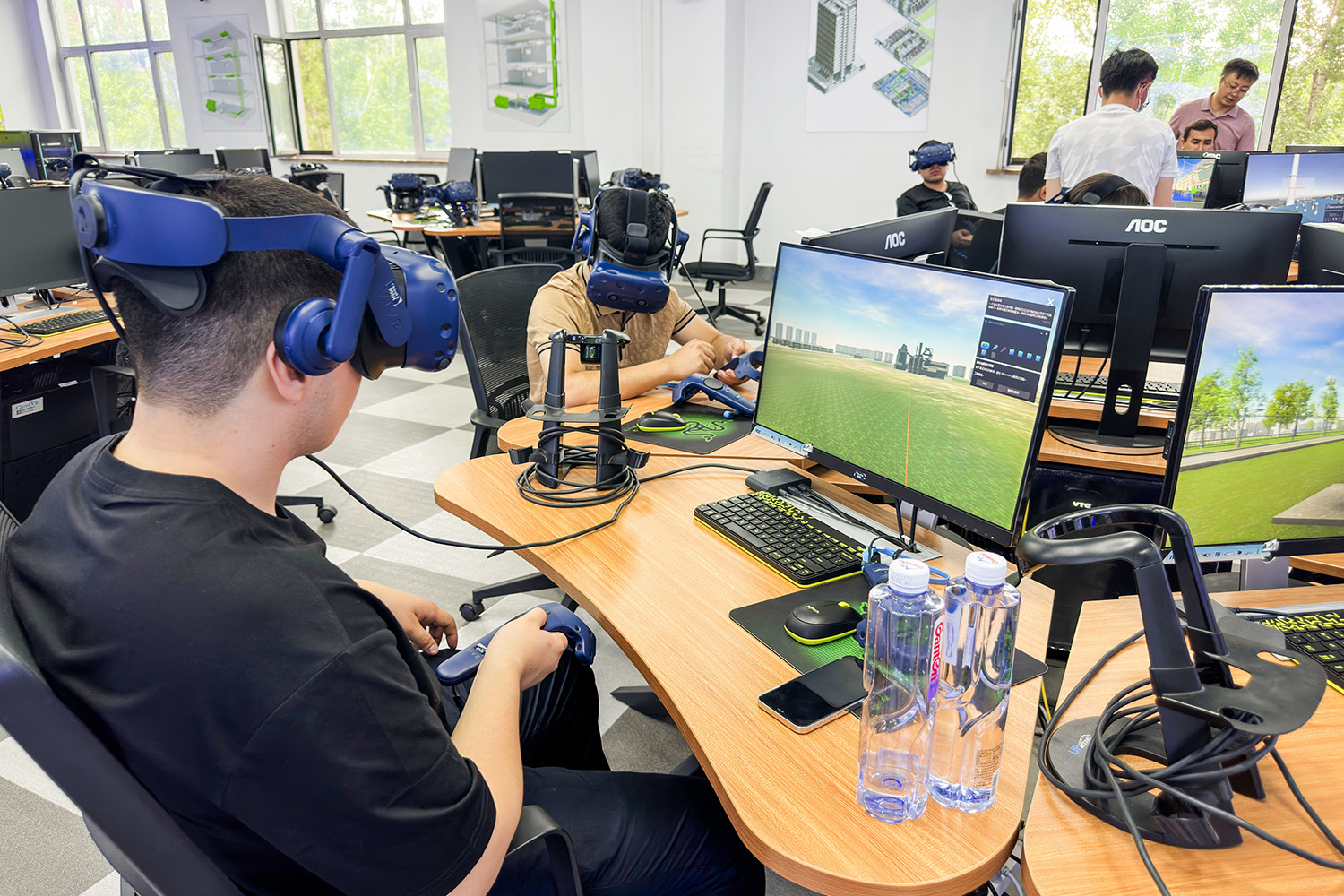
Visits to specialized laboratories and a tour of the thermal power plant on the Songhua River were the culmination of the practical portion of the program. There, students were able to see steam turbines and control systems in action and directly participate in laboratory research, which helped them connect theoretical knowledge to real-world production processes. This experience is critically important as it lays the foundation for their future work with these technologies.
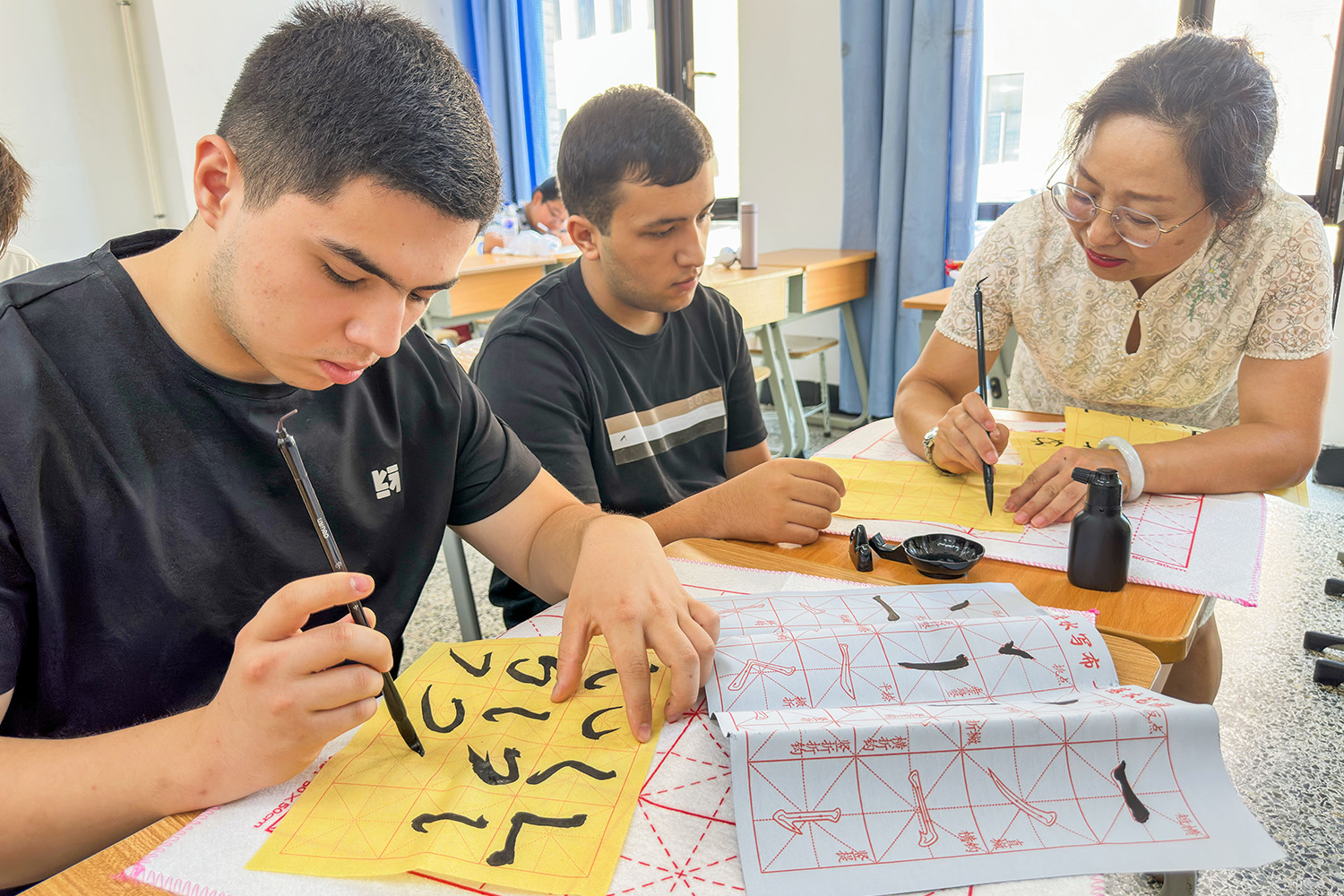
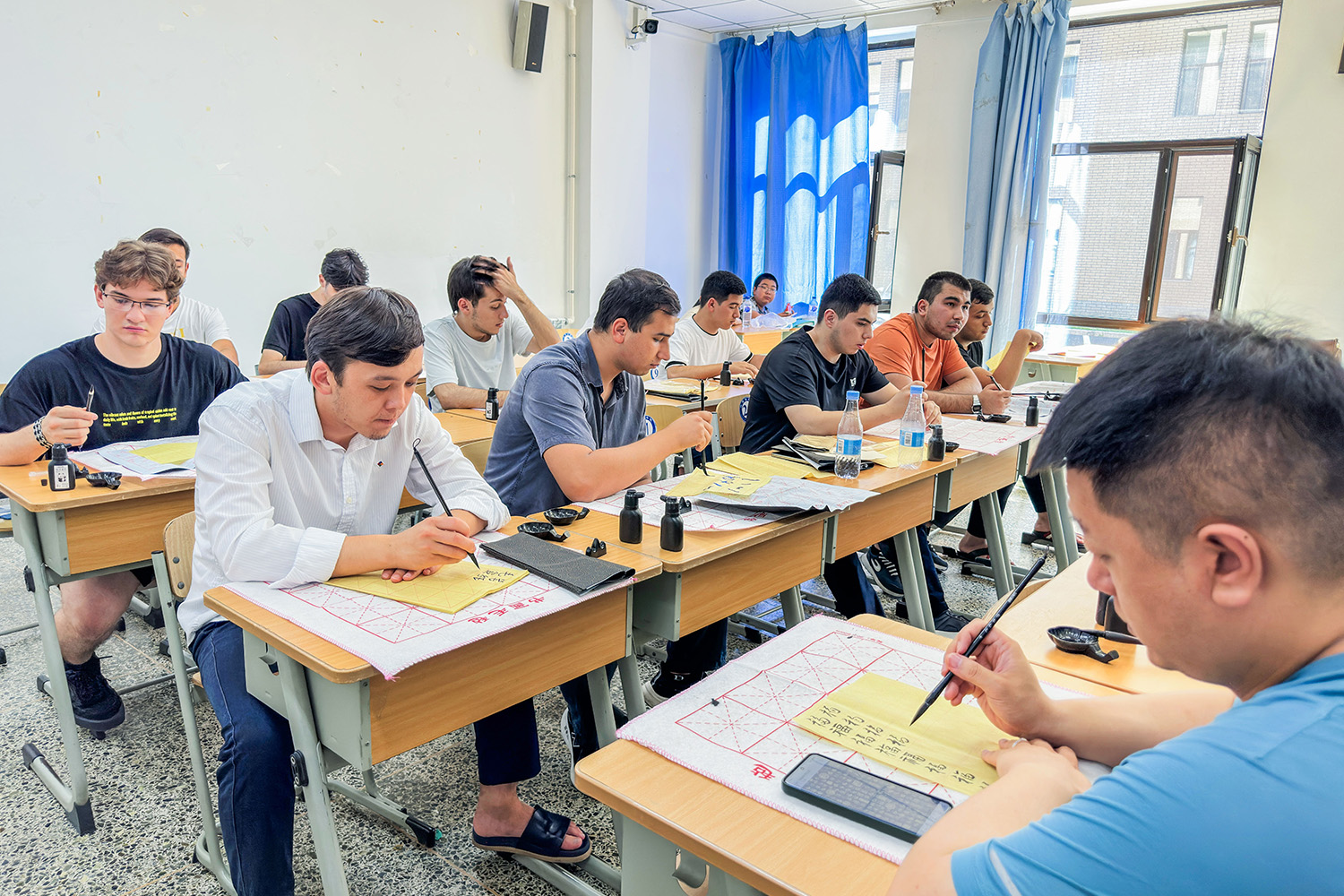
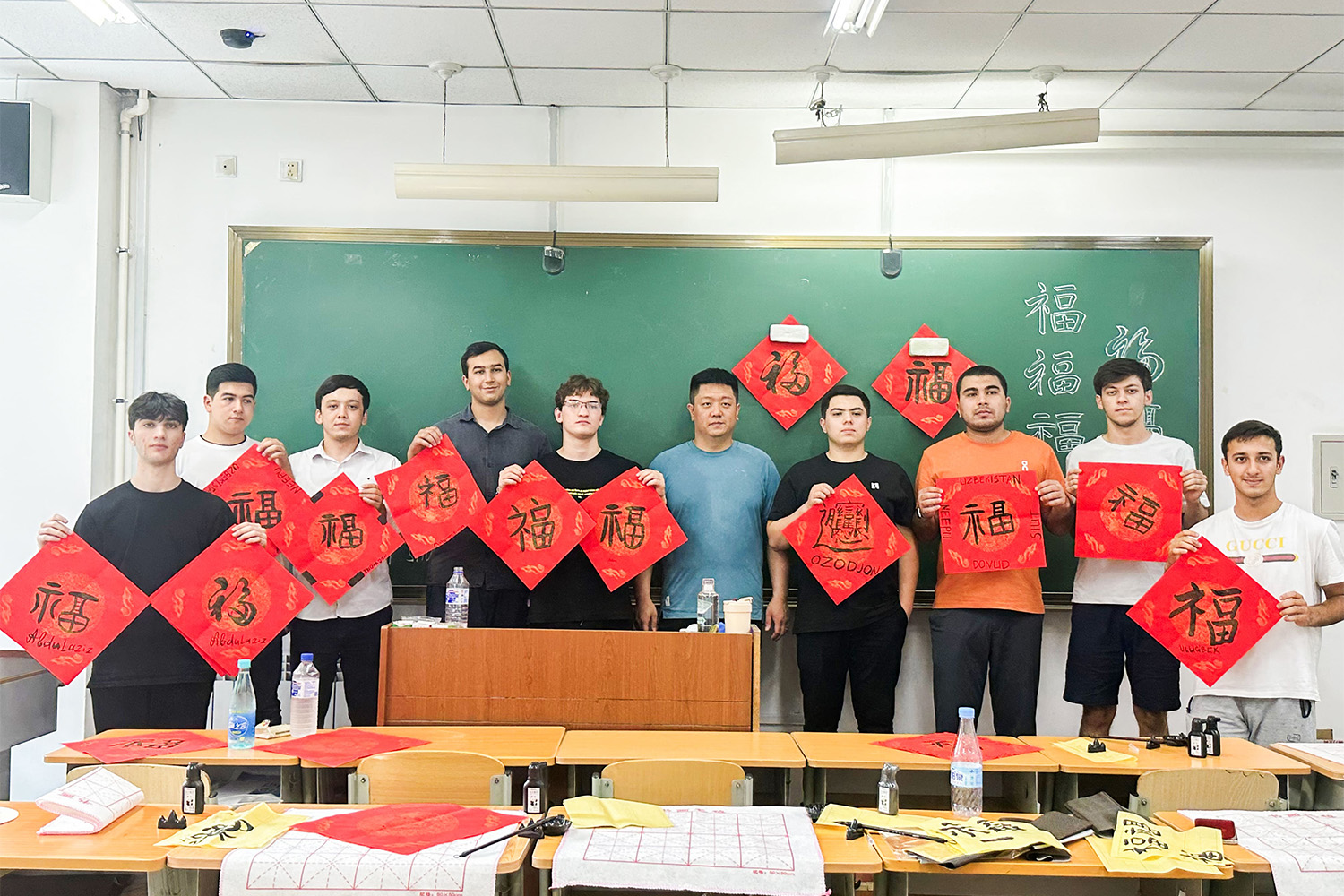
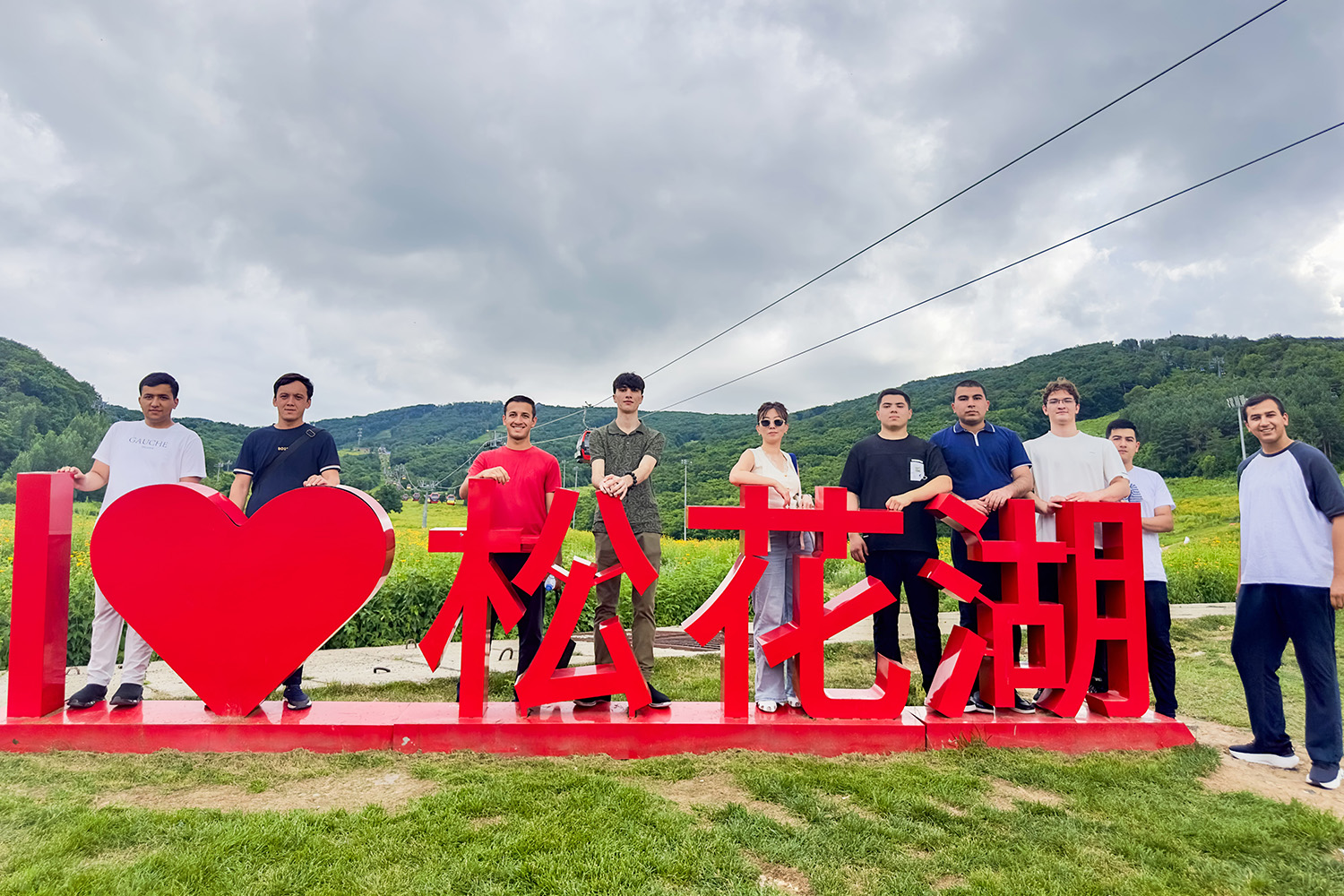
One of the program’s key objectives was to promote cultural integration. Masterclasses in Chinese calligraphy, painting, traditional dances, and Tai Chi not only enriched the camp’s curriculum but also helped CIEP students gain a deeper understanding of the Chinese people’s worldview and values. Visits to the Beijing Opera Museum, the Temple of Confucius, and the Jilin City Museum broadened their horizons, better preparing them for life and study in a new environment. In addition to the academic program, students also took part in hikes to scenic locations, including Songhua Lake and Bei Shan Mountain.
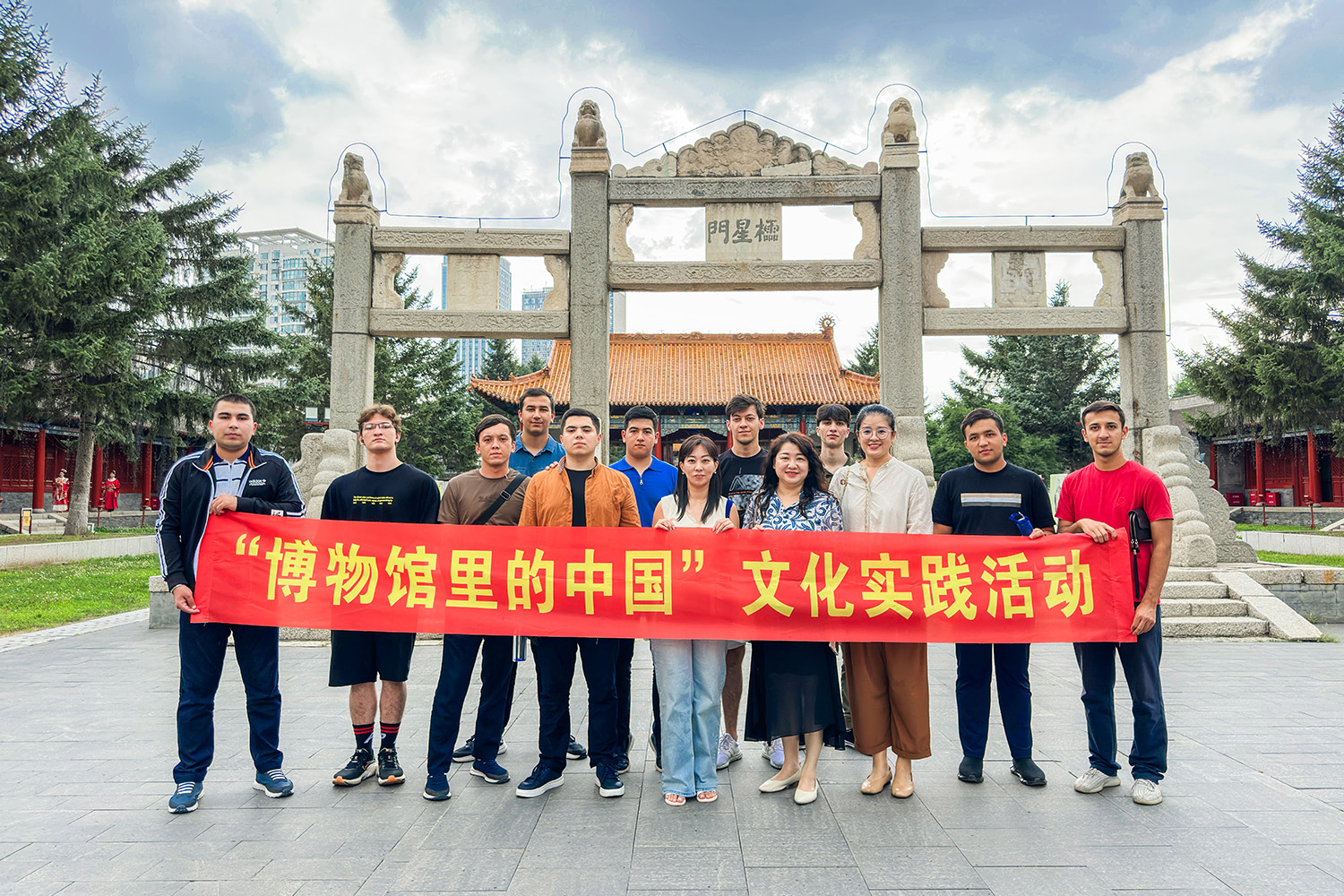
The summer camp, now a traditional event in the ‘SIUT-NEEPU’ academic partnership, is an integral part of the dual education system and double diploma programs implemented by the two universities. The camp served as an “introductory phase”, helping CIEP students adapt to their upcoming studies in China.
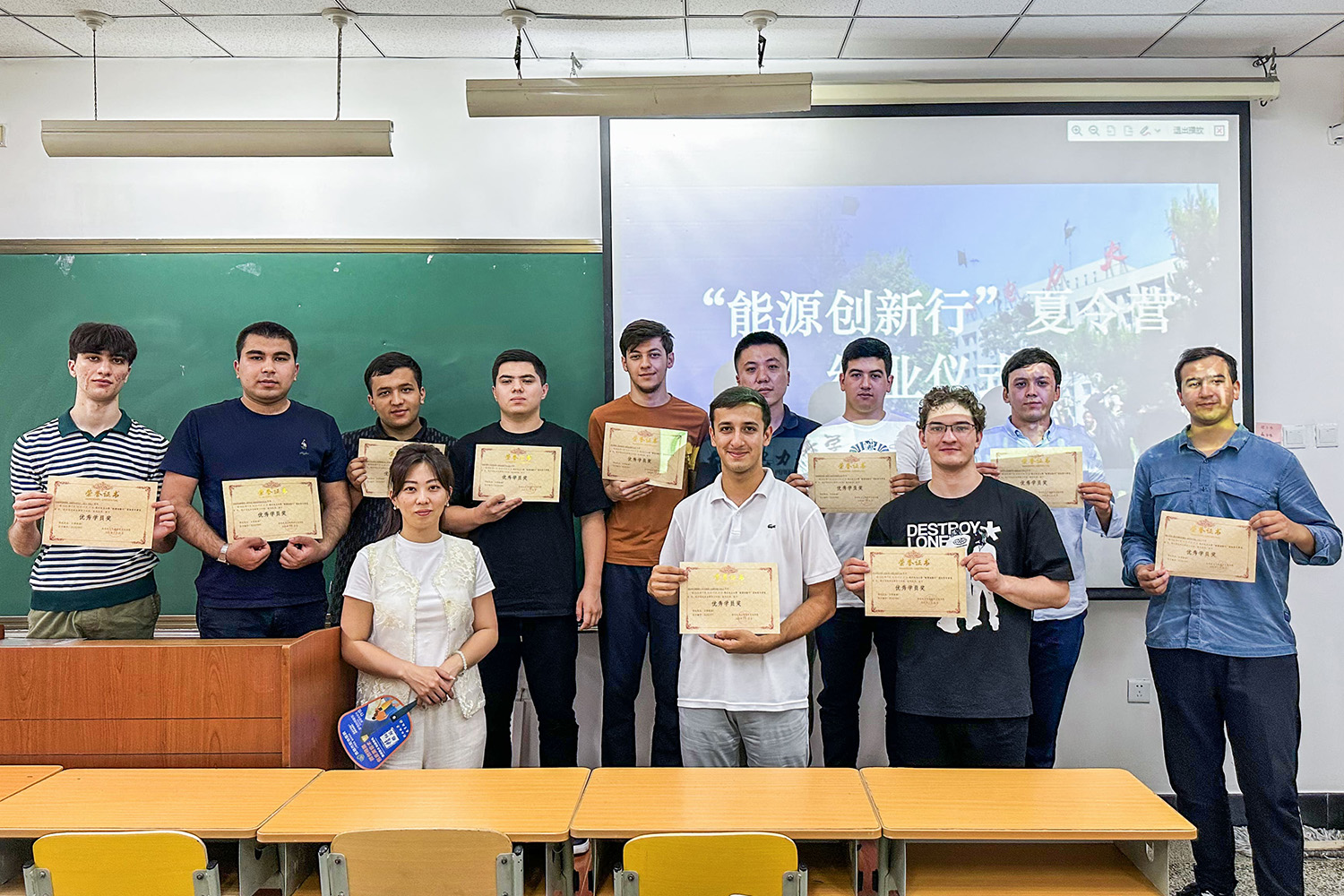
The experience gained from the Summer Camp will undoubtedly contribute to their successful integration into the global job market.


